Restoring Slat Lkahal Synagogue
Preserving a cornerstone of Jewish heritage in Mogador — the historic Mellah of Essaouira, Morocco.
Support the RestorationOur Mission
ASL Mogador is a non-profit association dedicated to the restoration and safeguarding of the Slat Lkahal Synagogue, located above the main alley of the Mellah in the northern Medina of Essaouira. The project aims to restore the building and integrate four permanent exhibition halls devoted to its unique heritage.

A Symbol of Jewish Presence in Mogador
The Slat Lkahal Synagogue stands as a testament to centuries of Jewish life in Essaouira. Historical records trace the community's roots to the 18th century, including the arrival of inhabitants expelled from Sainte-Croix (Agadir) by the Emperor in 1766. The synagogue, perched above the Mellah's main alley, remains a powerful symbol of that enduring presence.
Discover the HistoryThe loss of a loved one brings a weight that can feel impossible to carry alone. In those first hours and days, the tasks ahead may seem overwhelming, yet they are also deeply important. Taking time to honor a life well lived is one of the most meaningful things a family can do. Whether you are seeking traditional burial services or a simpler cremation arrangement, the focus remains the same: providing care that respects the dignity of the person who has passed while supporting those left behind through every difficult step.
Planning ahead can ease the burden on family members during an already painful time. Pre-arrangement allows individuals to make their own choices about how they wish to be remembered, removing uncertainty and giving loved ones the freedom to grieve without the pressure of immediate decisions. From selecting a memorial service format to choosing between burial and cremation, these choices reflect personal values and family traditions. Thoughtful preparation ensures that when the moment comes, the focus can remain on remembering and honoring a life rather than managing logistics.
A memorial service serves as a gathering point for grief and gratitude alike. It offers family and friends the chance to come together, share stories, and acknowledge the impact one person had on so many others. Whether held in a chapel, a funeral home, or a location that held special meaning, the service can be shaped to reflect the personality and beliefs of the departed. Music, readings, photographs, and personal tributes all contribute to a ceremony that feels authentic rather than generic, creating a lasting memory for everyone present.
Cremation has become an increasingly common choice for families across the country, offering flexibility in how and when a memorial takes place. The decision does not diminish the opportunity for a meaningful service; many families hold a gathering before or after the cremation itself, combining tradition with personal preference. The choice of a permanent resting place also remains important, whether that means interment in a cemetery, placement in a columbarium, or keeping remains in a cherished location. Each option carries its own significance and deserves careful consideration.
Traditional burial continues to hold deep meaning for many families, rooted in cultural and religious practices that span generations. The selection of a cemetery plot, the choice of a casket, and the design of a headstone all become part of a lasting tribute. Ground burial provides a physical place for future visits, a destination where children and grandchildren can connect with their heritage. Funeral homes serving communities for decades understand the importance of these rituals and work to ensure every detail is handled with the reverence it deserves.
Obituaries serve a purpose that extends beyond simply announcing a death. They capture the arc of a life, distilling decades of experience, relationships, and accomplishments into a public record that informs and invites. A thoughtfully written obituary tells the community who the person was, what they valued, and how they will be remembered. It also provides practical information about upcoming services, visitation hours, and where flowers or donations may be directed. In an age of digital communication, these notices reach far beyond local newspapers to connect distant friends and relatives.
Grieving does not follow a timetable, and the support offered by a caring funeral provider extends well past the day of the service. Families often find comfort in knowing that resources remain available as they navigate the months ahead. Whether through grief counseling referrals, commemorative events, or simply a compassionate phone call, the relationship between a funeral home and the families it serves is built on lasting trust. In communities where funeral directors have been established for generations, that continuity of care becomes part of the fabric of local life.
Choosing a funeral provider means entrusting someone with an intimate and irreversible responsibility. Families should look for a business that demonstrates both professional capability and genuine compassion. Locally owned and operated establishments often bring a personal investment that larger corporate entities cannot replicate. They understand the neighborhoods they serve, the traditions that matter, and the importance of being available at any hour of any day. Reviews from other families can offer insight, but ultimately the decision rests on a feeling of confidence and comfort during a vulnerable time.
The tasks that follow a death are numerous and varied, from securing death certificates to coordinating with clergy, florists, and cemetery staff. A dedicated funeral director shoulders much of this weight, allowing the family to focus on each other rather than on paperwork and phone calls. The best providers approach their work as a calling, recognizing that no two families are alike and that every life deserves a tribute as unique as the person it honors. In the hardest moments, having a steady and knowledgeable guide makes an impossible situation just a little easier to bear.
Restoration in Progress
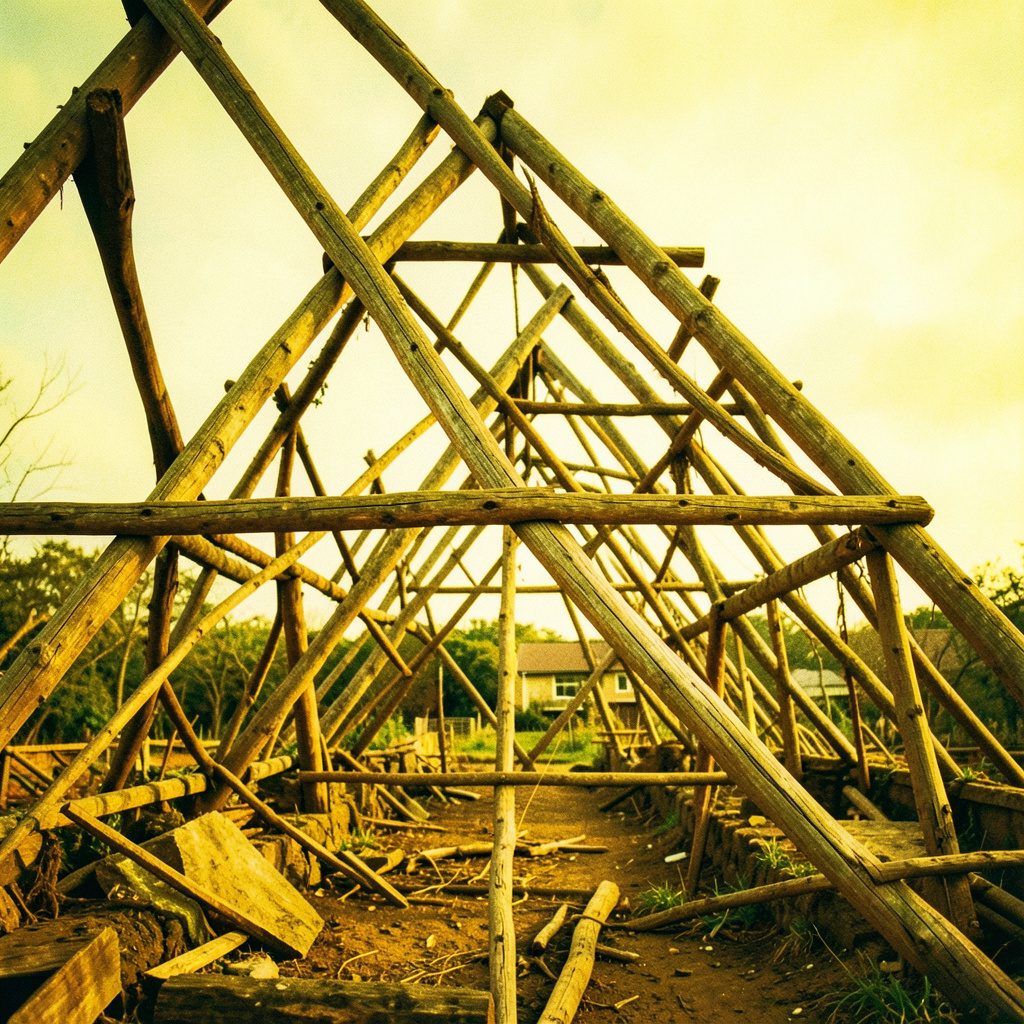
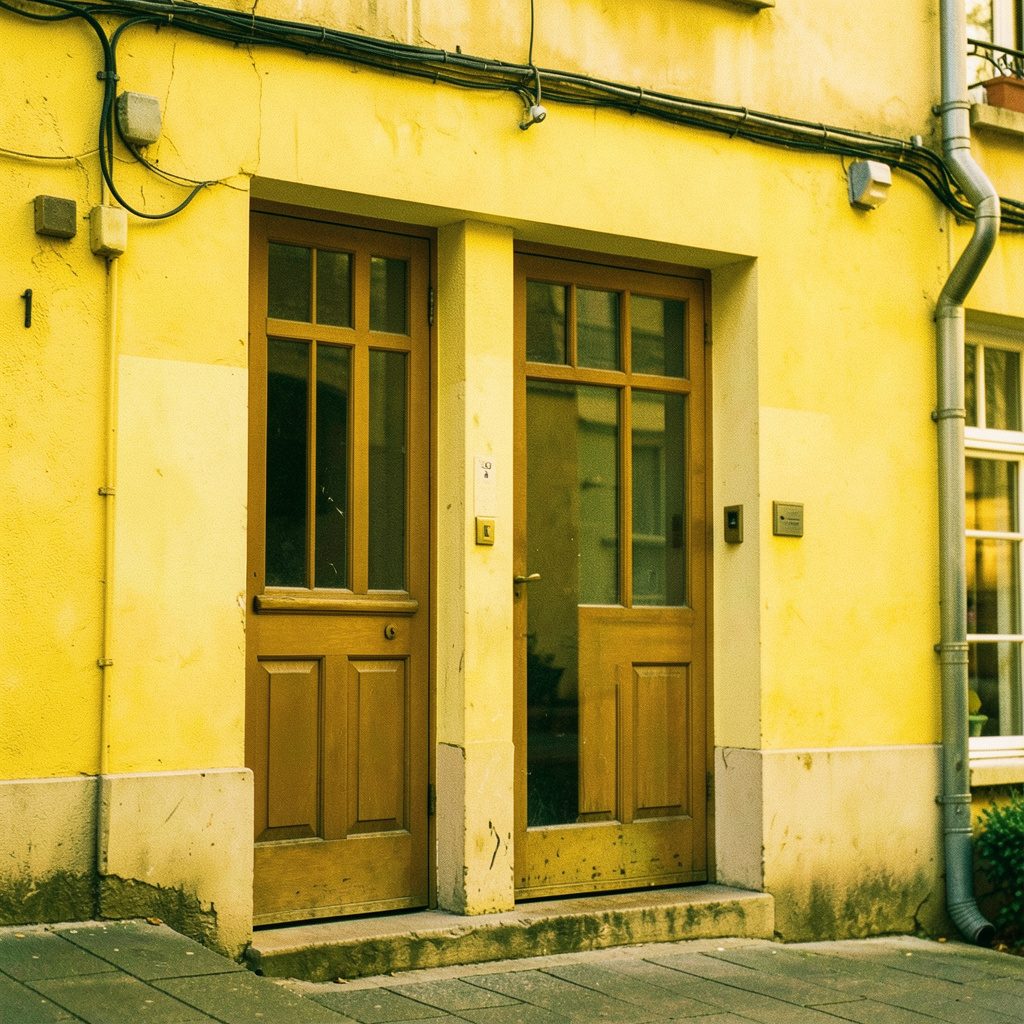
The preliminary phase of construction has already delivered significant results. During 2011–2012, the roof of the prayer hall was repaired. In 2013–2014, the main facade underwent cleaning and restoration. These essential works were made possible by the generous support of donors and members.
See the Work